Women’s Rough Sleeping Manifesto
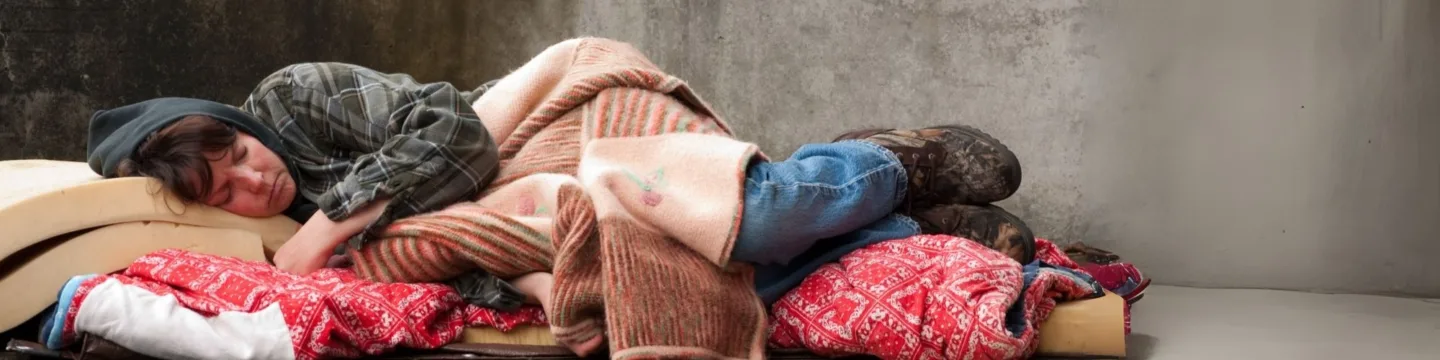
Women’s experiences of rough sleeping involve high levels of violence and abuse, keeping out of sight and often avoiding sleeping visibly on the streets. London’s practices and services for supporting people experiencing rough sleeping are based on data that doesn’t recognise and account for these experiences because they are predominantly designed around how men sleep rough. Women are remaining homeless and not being reached by services, and there is an urgent need for a new approach.
The Mayor of London is developing a new Rough Sleeping Plan of Action to end rough sleeping in the city by 2030. This is a significant opportunity to address and meet the specific needs of women experiencing homelessness.
“I have been in fear for my life and really stunned by the lack of housing for women… Having somewhere safe to sleep, something consistent means life or death; it really does.”
Manifesto for change: tackling women’s rough sleeping in the Mayor’s London Plan of Action
Single Homeless Project and Solace have worked with multiple cross-sector organisations and local authorities to deliver the Women’s Rough Sleeping Census three years in a row. They have heard from almost 1,000 women in London alone about their experiences of how, when, and where they rough sleep.
Based on this evidence, the Women’s Rough Sleeping Census team has developed a manifesto for change to inform the Mayor’s Rough Sleeping Plan. It outlines five clear steps to address and tackle the unique challenges faced by women rough sleeping in London. You can read the full manifesto here.
The manifesto asks that the new London Rough Sleeping Plan of Action address these five areas:
- Definition: Make London’s rough sleeping response configured around an understanding of how women experience rough sleeping.
- Data: All London local authorities must gather accurate and inclusive data on women’s rough sleeping.
- Equity and Safety: London’s commissioned rough sleeping services and systems must be equitable, accessible, and safe for women.
- Integration: Sectors supported and represented by departments in the GLA must integrate and develop cross-sector strategies, pathways, and practices that help women experiencing rough sleeping access housing support as quickly as possible—no matter where in the system they are.
- Prevention and Intervention: Ensure that women are provided with the information and resources they need so they do not spend a night rough sleeping and can access safe services designed for their needs.
For further information, look at the 2023 Women’s Rough Sleeping Census Report and hear the words of women who responded to the 2023 census.

Follow us on social media